How to Select the Perfect Hose for Your Needs in 2026
Find the hose you need. Fast!
Updated September 9, 2026
Choosing the right hose can feel overwhelming with so many options and technical details to consider. Whether you're working on an industrial project, gardening, or handling specialised materials, selecting the correct hose ensures efficiency, safety, and durability. This beginner-friendly guide breaks down the key factors to consider when choosing a hose, so you can make an informed decision in just a few minutes. Drop us an email if you are unsure: sales@megaflex.co.uk
How do I know what hose to use?
Well, let’s dive in!

How to Select the Perfect Hose in 7 Steps
- 1. Determine the Hose Size. Choose the right inside diameter, length, and tolerances for optimal flow and compatibility. Check out our handy table on our product pages
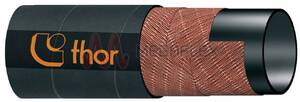
- 2. Identify the Substances. Select a hose material suited for liquids, gases, or solids, ensuring chemical and temperature compatibility.
- 3. Assess Usage Requirements. Match the hose’s pressure, vacuum, and throughput capacity to your application’s needs.
- 4. Account for Environmental Factors. Consider sunlight, abrasion, and external temperatures to ensure durability.
- 5. Consider Special Requirements. Evaluate weight, flexibility, or safety features like anti-static properties for your setup.
- 6. Select Hose Ends. Choose the right end configuration, like spiral or conical cuffs, for secure fittings.
- 7. Choose the Connection System. Pick compatible couplings and clamps for a leak-free installation.
- Ready to pick your hose. Confidently select the perfect hose in minutes.
Should You Invest in a Quality Hose?
One of the biggest misconceptions about choosing a hose is that any hose will do as long as it fits your equipment. That’s far from the truth! The right hose isn’t just a tool—it’s a solution that saves time, ensures safety, and prevents costly failures. Whether you’re watering a garden, managing an industrial site, or transferring hazardous chemicals, a well-chosen hose makes your task smoother and more efficient.
You don’t need to be an industrial expert to pick the perfect hose. For instance, a contractor using a hose for sandblasting doesn’t need a PhD in material science—they need a hose that can handle abrasive materials without wearing out. Similarly, a homeowner doesn’t need to understand hydraulic systems to find a garden hose that won’t kink or crack in the sun. This guide simplifies the process for everyone, from DIYers to professionals.
The key to success? Know your needs and choose accordingly. A quality hose is about matching your application to the right size, material, and features. Here’s why investing in the right hose is worth the effort:
- Save Time and Money: A durable hose prevents leaks, bursts, or frequent replacements, reducing downtime and costs. For example, a UV-resistant hose for outdoor use can last longer, saving you from buying a new one every season.
- Ensure Safety: A mismatched hose can lead to dangerous situations, like chemical leaks or hose bursts. Choosing a hose with the correct pressure rating or chemical compatibility keeps you and your team safe.
- Boost Efficiency: The right hose size and throughput capacity ensure optimal flow, whether you’re irrigating crops or powering industrial equipment. A poorly sized hose can slow down your work or waste resources.
- Customise Your Setup: From colour coding for easy identification to anti-static features for hazardous environments, a quality hose can be tailored to your specific needs, making your workflow seamless.
At its core, selecting a hose is about ensuring reliability and peace of mind. By choosing a hose that fits your project’s demands, you’ll spend less time worrying about equipment failures and more time getting the job done. Whether you’re a hobbyist or a facility manager, a quality hose is your partner in success.
Ready to find the right hose? Scroll to our step-by-step guide or drop us an email at sales@megaflex.co.uk for personalised advice!
What Exactly Is a Hose, and Why Does It Matter?

In simple terms, a hose is a flexible tube designed to carry substances like liquids, gases, or solids from one place to another. But it’s more than just a tube—it’s a critical component in countless applications, from home gardening to heavy-duty industrial tasks. Whether you’re spraying water on your lawn, transferring fuel, or moving abrasive materials on a construction site, the hose you use can make or break your project.
What sets hoses apart is their ability to be customised for specific tasks. Unlike rigid pipes, hoses are built for flexibility and durability and can handle everything from low-pressure watering to high-pressure hydraulic systems. They’re often the unsung heroes behind efficient workflows and safe operations.
Here’s why choosing the right hose matters:
- Performance Tailored to You: Hoses are designed with specific materials and features to handle your substance—whether it’s water, chemicals, or gravel. For example, a gardening enthusiast needs a lightweight, kink-resistant hose, while an industrial user might need a heavy-duty hose with a wire helix for vacuum resistance.
- Safety First: A hose that’s incompatible with your substance or pressure requirements can lead to leaks, bursts, or even accidents. Selecting a hose with the right ratings (e.g., chemical resistance or bursting pressure) protects you, your team, and your environment.
- Longevity and Savings: A quality hose withstands environmental factors like UV rays, abrasion, or extreme temperatures, reducing the need for frequent replacements. Investing upfront in the right hose saves you money in the long run.
- Connection and Confidence: Choosing the right hose builds trust in your setup. Knowing your hose can handle the job—whether it’s a one-time DIY project or a 24/7 industrial operation—gives you peace of mind. Plus, suppliers like MegaFlex are here to support you with expert advice (just email sales@megaflex.co.uk!).
The good news? The hose industry is booming with options in 2026, from eco-friendly materials to advanced anti-static designs. There’s never been a better time to find a hose that fits your needs perfectly.
Let’s get started! Follow our step-by-step guide below to select your perfect hose, or contact us for help finding the right solution.
Step-by-Step Guide to Selecting the Right Hose
Step 1: Determine the Hose Size
The size of the hose is critical for performance and compatibility. Consider these aspects:
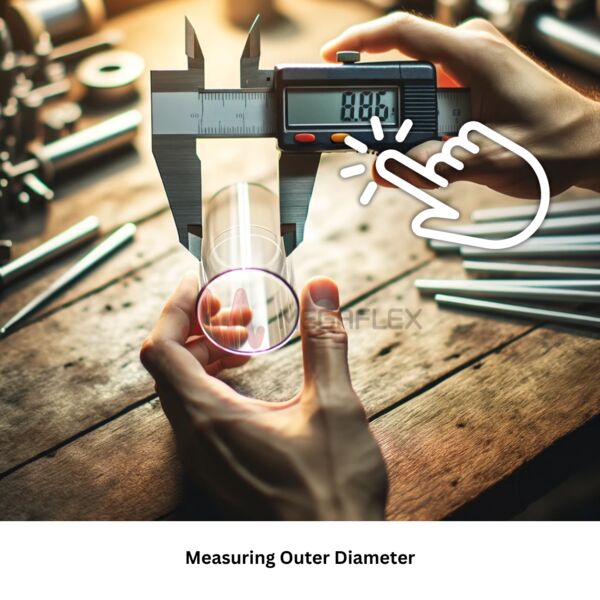
- Inside Diameter (ID): This determines the flow capacity. A larger ID allows more volume but may reduce pressure. Common IDs range from ¼ inch for small tasks to 4 inches for industrial applications.
- Outside Diameter (OD): Ensure the OD fits your couplings or clamps. Check equipment specs to avoid mismatches.
- Length (With/Without Couplings): Measure the required length, accounting for curves or obstacles. Include or exclude couplings based on your setup. Too long a hose can cause pressure loss; too short can limit reach.
- Tolerance: Check if the hose meets industry standards (e.g., ISO, SAE). Non-standard tolerances may affect compatibility or safety.
Tip: For high-flow applications, prioritise a larger ID but ensure your system can handle the pressure drop.
Step 2: Identify the Substances or Mediums to Be Carried
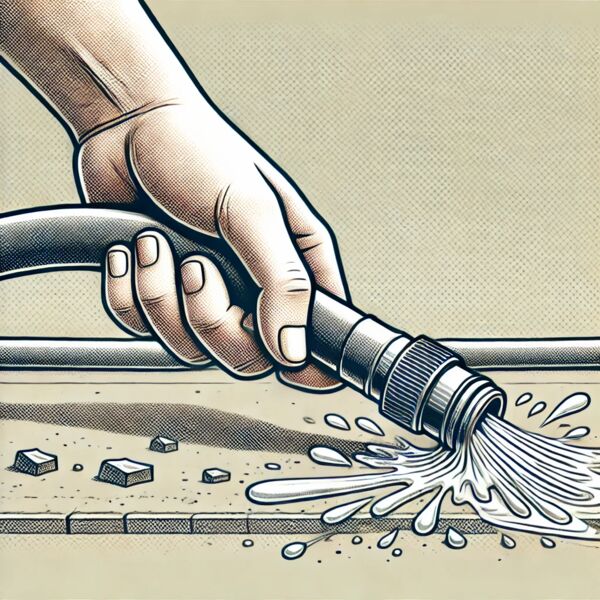
The material flowing through the hose dictates its construction. Evaluate these factors:
- Type: Liquid, Gas, or Solid
- Liquids: Water, oils, or chemicals require specific linings to prevent corrosion or contamination.
- Gases: Air, nitrogen, or propane need hoses rated for gas impermeability to avoid leaks.
- Solids: Powders, granules, or abrasives (e.g., sand) demand abrasion-resistant inner linings.
- Chemical Identification: Identify the exact substance (e.g., sulfuric acid, gasoline). Check chemical compatibility charts to ensure the hose material won’t degrade.
- Concentration: Higher concentrations (e.g., 98% acid vs. 10%) may require specialised materials like PTFE or Viton.
- Temperature (Peaks High/Low): Ensure the hose can handle the substance’s temperature range, including spikes. For example, steam hoses need high-temperature ratings (up to 400°F/204°C).
- For Solids: Description and Size: Specify the solid’s abrasiveness and particle size (e.g., fine powder vs. 1-inch gravel) to select a hose with adequate wall thickness and reinforcement.
Tip: Always consult the manufacturer’s compatibility guide or test a sample hose with your substance to avoid costly failures.
Step 3: Assess Usage Requirements
How the hose will be used impacts its durability and performance. Consider:
- Pressure Ratings:
- Working Pressure: The continuous pressure the hose will handle (e.g., 150 psi).
- Testing Pressure: Typically 1.5–2x the working pressure to ensure safety.
- Bursting Pressure: The maximum pressure before failure (usually 3–4x working pressure). Choose a hose with a bursting pressure well above your system’s max.
- Vacuum Resistance: For suction applications, ensure the hose has reinforcement (e.g., wire helix) to prevent collapse under vacuum.
- Intensity: Temporary use (e.g., occasional draining) allows lighter hoses, while continuous use (e.g., 24/7 industrial pumping) requires heavy-duty options.
- Throughput Capacity: Calculate the required flow rate (liters/minute or gallons/minute) to ensure the hose’s ID supports your needs without excessive friction loss.
Tip: Overspecifying pressure ratings adds a safety margin but increases cost. Balance performance with budget.
Step 4: Account for External Environmental Factors
The hose’s surroundings can affect its lifespan. Evaluate:
- Sunlight and Weather: UV and ozone exposure can crack rubber hoses. Choose UV-resistant materials like EPDM or PVC for outdoor use.
- Mechanical Wear and Tear: In high-traffic or abrasive environments (e.g., construction sites), opt for hoses with reinforced covers or abrasion-resistant coatings.
- Ambient Temperature: Ensure the hose material withstands external temperature extremes (e.g., -40°F to 140°F/-40°C to 60°C).
- Chemical Influences: External exposure to chemicals (e.g., oil spills, fertilisers) requires a chemically resistant outer cover.

Tip: For outdoor storage, use UV-protective hose covers or store hoses in shaded areas to extend lifespan.
Step 5: Consider Special Requirements
Some applications demand unique hose features:
- Weight: Lightweight hoses (e.g., PVC) are ideal for portability, while heavier hoses (e.g., rubber with wire reinforcement) suit stationary setups.
- Flexibility: Softer materials like polyurethane offer greater flexibility for tight spaces.
- Bending Radius: Check the minimum bend radius to avoid kinking or damage in curved installations.
- Torsion: If the hose will twist, choose torsion-resistant designs to prevent internal damage.
- Electrical Resistance:
- Isolating: Non-conductive hoses for electrical safety.
- Anti-static: Prevents static buildup in flammable environments (e.g., fuel transfer).
- Conducting: Grounds static for explosion-prone areas.
- Flame Resistance: Required for fire-prone environments (e.g., welding). Look for hoses meeting standards like UL94.
- Pulling Force: For dragged hoses, ensure tensile strength to resist stretching or tearing.
- Diametrical/Length Expansion: Some hoses expand under pressure. Check specs to ensure compatibility with your system.
- Colour: Choose colours for identification (e.g., blue for water, red for fire hoses) or aesthetic purposes.
- Marketing/Print: Custom printing (e.g., brand logos) enhances professionalism or traceability.
Tip: Prioritise safety features like anti-static or flame resistance in hazardous environments to meet regulations.
Step 6: Select Hose Ends
The hose’s end configuration affects installation and performance:
- With Spiral: Reinforced ends for high-pressure or suction applications.
- Spiral-Free Cuffs: Smooth ends for easier coupling attachment.
- Dilated Cuffs: Expanded ends for specific fittings or quick-connect systems.
- Conical: Tapered ends for specialised nozzles or funnels.
Tip: Match the end type to your equipment’s requirements to avoid leaks or detachment.
Step 7: Choose the Connection System
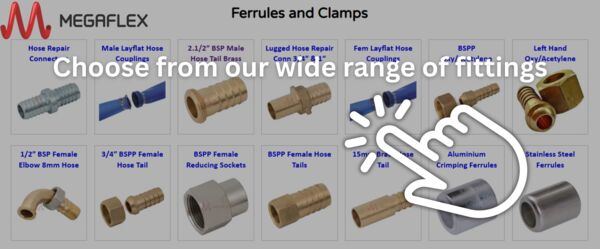
Proper connections ensure a secure, leak-free setup:
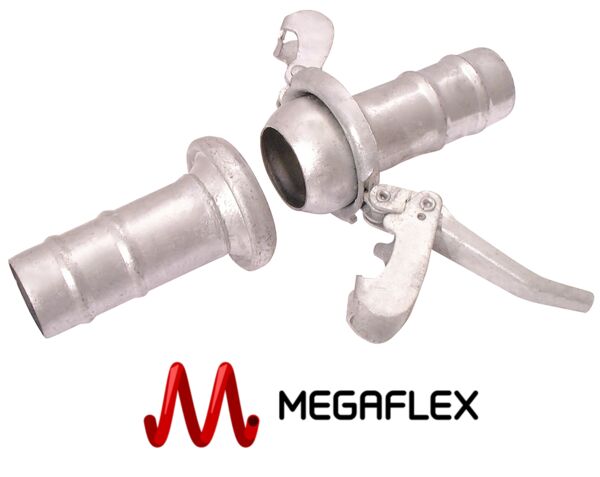
- Coupling System: Common types include camlock, quick-connect, threaded (NPT, BSP), or flanged couplings. Verify compatibility with your equipment.
- Clamps, Dishes, Sleeves: Use appropriate clamps (e.g., worm-drive, T-bolt) or sleeves to secure couplings. Ensure they match the hose’s OD and pressure rating.
Tip: Double-check torque specs for clamps to prevent over-tightening or under-securing.
Why Choosing the Right Hose Matters
Selecting the correct hose prevents costly downtime, leaks, or safety hazards. A mismatched hose can lead to:
- Material Degradation: Incompatible substances can erode the hose, causing leaks or contamination.
- Pressure Failures: Exceeding pressure ratings risks bursting, endangering workers.
- Environmental Damage: UV or abrasion can shorten hose life, increasing replacement costs.
- Inefficiency: Incorrect sizing or throughput reduces performance, slowing operations.
By carefully evaluating size, substances, usage, environment, special requirements, hose ends, and connections, you’ll find a hose that meets your needs and lasts longer.
Ready to Choose Your Hose?
Follow these steps to narrow down your options:
- List Your Requirements: Write down the substance, pressure, environment, and special needs.
- Consult Manufacturer Specs: Use supplier catalogs or websites to match your requirements.
- Ask for Expert Advice: Contact suppliers or manufacturers for recommendations, especially for niche applications.
- Test if Possible: For critical applications, request a sample to verify compatibility.
If you’re unsure where to start, reach out via email.
Final Thoughts
Choosing the right hose doesn’t have to be complicated. By breaking it down into size, substances, usage, environment, special requirements, ends, and connections, you can confidently select a hose that performs reliably and safely. Whether you’re a DIY enthusiast or an industrial professional, this guide equips you with the knowledge to make the right choice.

Make Sure to Check Out Our Other Blogs
Want to dive deeper into the world of hoses, tubing, and industrial solutions? Our blog is packed with expert insights, practical tips, and product deep-dives to help you make informed choices. Whether you’re a DIY enthusiast or an industry professional, these articles offer valuable knowledge to enhance your projects. Explore more below!
- Eolo PU Ducting: The Ultimate Solution for Food-Grade Material Transfer – Discover why Eolo PU ducting is perfect for safe and efficient food-grade applications.
- Conduits at Megaflex: Material Matters – Learn how the right conduit material can transform your industrial setup.
- PolyAlu Tubing: Revolutionising Durability in Harsh Environments – Explore the durability of PolyAlu tubing in challenging conditions.
- Flexible Clear PVC Tubes: Applications, Benefits, and DIY Projects – Uncover the versatility of clear PVC tubes for professional and DIY use.
- Understanding Shore Hardness of Flexible Tubes: A Guide to PVC, Polyurethane, Nylon, and More – Get to grips with shore hardness and its role in tube selection.
- How to Calculate Bend Radius: A Comprehensive Guide – Master bend radius calculations to ensure hose and tubing longevity.
Ready to learn more? Visit our blog homepage for the latest insights or contact us for personalised advice!
Hose Solutions FAQ
Got questions about selecting the perfect hose? Click any question below to reveal the answer. If you don’t find what you’re looking for, drop us an email or contact us directly!
Click on a question to read the answer:
Key factors include size (inside/outside diameter, length), substances carried (liquid, gas, solid), usage (pressure, vacuum resistance), environmental conditions (UV, temperature), special requirements (flexibility, weight), hose ends, and connection systems.
Identify the substance (e.g., acid, oil), its concentration, and temperature. Check the manufacturer’s chemical compatibility chart or test a sample to confirm the hose material won’t degrade.
Working pressure is for continuous use. Testing pressure (1.5–2x working) ensures safety. Bursting pressure (3–4x working) is the max before failure.
No, use UV- and ozone-resistant hoses (e.g., EPDM, PVC) to prevent cracking from sunlight or weather. Store hoses inside or in shaded areas to extend their lifespan.
Spiral ends suit high-pressure or suction; spiral-free cuffs ease coupling attachment; dilated cuffs fit quick-connects; conical ends work for nozzles. Match to your equipment’s needs.
Kinking happens if the bend radius is too tight or reinforcement is lacking. Check the minimum bend radius and opt for flexible hoses with supports like wire helixes for tight curves.
For flammable environments (e.g., fuel transfer), anti-static or conductive hoses prevent static sparks.
Inspect regularly for cracks or leaks. Heavy-duty industrial hoses may last years; lightweight garden hoses may need replacing every 1–3 years, depending on usage, storage and environment.
Yes, many suppliers offer custom colours (e.g., blue for water) or printed logos for branding. Contact manufacturers to discuss options for identification or professionalism.
Match couplings (e.g., camlock, threaded) to your equipment. Ensure clamps or sleeves fit the hose’s outside diameter and pressure rating. Verify torque settings to prevent leaks.
For high temperatures (e.g., steam up to 400°F/204°C), use materials like silicone or PTFE. Check the hose’s temperature rating to handle both peak and continuous heat.
Measure the distance between connection points, adding extra for curves or obstacles. Avoid overly long hoses to prevent pressure loss, but ensure enough reach for your task.
For suction applications, vacuum-resistant hoses with reinforcements (e.g., wire helix) prevent collapse under negative pressure. Check ratings to match your system’s vacuum needs.
Use hoses with abrasion-resistant covers or add protective sleeves in high-wear environments (e.g., construction sites). Regular inspections help catch wear early.