Peristaltic Pump Tubing Explained: Materials, Occlusion & Chemical Resistance
Updated September 30, 2026
The Peristaltic Pump Tubing Guide: Occlusion, Restitution & Material Selection
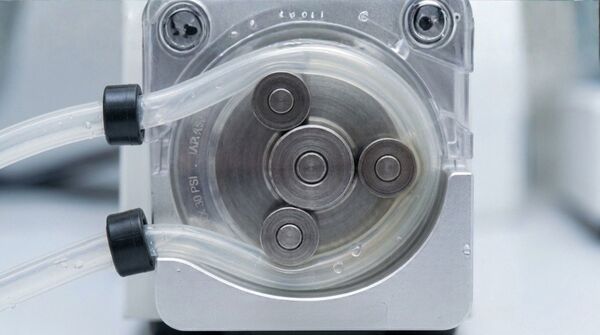
Peristaltic pumps occupy a unique position in modern fluid transfer. Unlike centrifugal, diaphragm, or gear pumps, the conveyed media never touches impellers, seals, valves, or metallic chambers. Instead, fluid remains hermetically isolated inside a flexible tube, propelled forward by rotating rollers or shoes that compress and release the tubing wall.
This makes peristaltic pumping the gold standard across biopharmaceutical manufacturing, clinical diagnostics, chemical dosing, water treatment, and food processing. However, this operating principle turns the tubing into the most mechanically stressed component in the entire system. Every roller revolution subjects the polymer to high-speed tensile stretching, radial compression, and flexural fatigue. Choosing the wrong bore, wall thickness, or polymer compound causes rapid volumetric drift, catastrophic fatigue cracking, or fluid contamination from microscopic spallation.
This comprehensive engineering guide explains how to calculate flow, evaluate mechanical restitution, eliminate spallation, and select the ideal peristaltic tube—balancing USP Class VI purity, aggressive acid resistance, and multi-thousand-hour pump life.
Need technical sizing advice? Contact us sales@megaflex.co.uk.
How do you balance pump life, roller occlusion, chemical inertness, and dosing accuracy?
Well, let’s dive in!
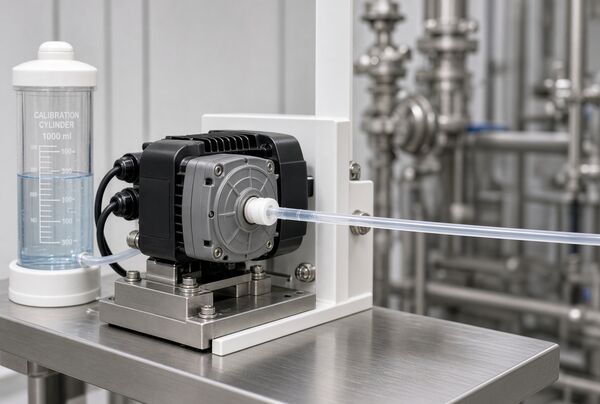
How to Select the Perfect Peristaltic Pump Tubing in 6 Steps
- 1. Calibrate Roller Occlusion, Wall Thickness & Flow Dynamics.
Match tubing wall gauge precisely to the pump head rotor gap, and calculate volumetric displacement per revolution based on internal bore diameter. - 2. Match Polymer Chemistry to Fluid Aggressiveness.
Differentiate between ultra-pure cell cultures, aggressive concentrated acids, aromatic solvents, polar reagents, and viscous slurries. - 3. Assess Flexural Fatigue Life & In-Line Spallation.
Evaluate material restitution (elastic memory) to prevent flow rate decay, and select low-spallation compounds for sensitive filtration and chromatography. - 4. Factor in Operating Temperature, Suction Lift & Working Pressure.
Account for internal system backpressures (up to 2 to 3 bar) and suction lift capability without wall collapse. - 5. Verify Hygiene, Pharmacopoeia & Food Contact Standards.
Confirm compliance with FDA 21 CFR 177.2600, USP Class VI, European Pharmacopoeia (EP 3.1.9), and Regulation (EC) No 1935/2004. - 6. Select Microbore Geometries, Colour Coding & Sanitary Connectors.
Configure sub-millimetre microfluidic lines, multi-channel colour identification, and non-restrictive barbed fittings. - Ready to pick your peristaltic tubing.
Explore our application matrix and technical specification tables.
Why Peristaltic Tubing Demands Specialised Engineering
In standard fluid transfer, a flexible tube functions merely as a static pressure conduit. In a peristaltic pump, the tubing serves as the pump chamber, the suction valve, and the motor displacement mechanism simultaneously. Under continuous operation at 100 RPM, a three-roller pump head compresses, flattens, and releases every point along the tube 300 times per minute—18,000 occlusions an hour. Standard extruded plastic tubes fail within hours under this cyclic punishment, exhibiting permanent set, catastrophic wall split, or internal particle shedding.
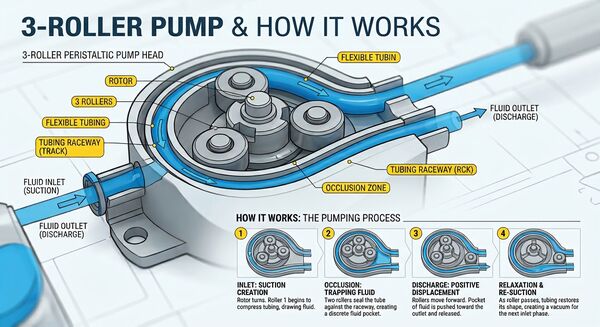
The Core Mechanical Challenges of Peristaltic Pumping:
- Roller Occlusion & Mechanical Fatigue: To achieve positive displacement, rollers must squeeze the tube wall completely flat to create an airtight seal against the pump track. This repeated crushing introduces high shear stresses at the outer fold radiuses. The tubing must possess superior tear strength and fatigue resistance to avoid longitudinal splitting.
- Elastic Restitution (Recovery Power): Suction lift depends entirely on the tube’s ability to instantly spring back to its original circular profile once the roller passes. If a polymer suffers from compression set (permanent deformation), the internal volume diminishes, leading to severe volumetric calibration drift and loss of prime.
- Spallation (Particle Shedding): Under continuous roller shearing, microscopic polymer fragments can break away from the inner bore and travel downstream into the process fluid. In biomanufacturing, injectable pharmaceutical filling, or clinical dialysis, spallation can contaminate sterile drug batches or clog fine downstream chromatography filters.
- Gas Permeation & Oxidation: Bioreactor feeds, anaerobic fermentations, and volatile chemical metering require polymers with low gas permeability to prevent atmospheric oxygen from oxidising sensitive nutrients or carbon dioxide from stripping out of solution.
The Return on High-Grade Peristaltic Formulations:
- Predictable Flow Calibration: High-restitution materials maintain steady volumetric flow rates over hundreds of operating hours without requiring constant pump recalibration.
- Reduced Maintenance Interventions: Long flex-life compounds (such as Santoprene® and peristaltic-grade TPE) run continuously for thousands of hours, preventing unexpected tube ruptures and chemical spills inside the pump housing.
- Regulatory Compliance: Cleanroom-manufactured, platinum-cured silicones and medical TPEs guarantee zero plasticiser leaching, biological safety, and full batch traceability.
Ready to select the right tubing? Jump to our step-by-step selection guide or contact our technical team at sales@megaflex.co.uk.
Step-by-Step Guide to Selecting Peristaltic Pump Tubing
Step 1: Calibrate Roller Occlusion, Wall Thickness & Flow Dynamics
Dimensional precision is the most critical factor in peristaltic pump performance. Unlike standard hoses where wall thickness allows broad tolerances, peristaltic pump heads are precision-machined to accommodate an exact wall gauge:
- The Rotor Gap & Wall Thickness Rule: The gap between the pump roller and the outer track is engineered to equal slightly less than twice the tubing wall thickness:
Rotor Gap ≈ (2 × Wall Thickness) × 0.85 to 0.90
If the wall thickness is even 0.2 mm too thick, the motor experiences excessive torque, the gearbox overheats, and the tube wall suffers rapid shear destruction. Conversely, if the wall is too thin, the rollers fail to achieve complete fluid occlusion, causing backflow, loss of prime, and erratic dosing. - Calculating Volumetric Flow Rate: Flow rate is a function of the internal bore area, the roller occlusion length, and the pump speed (RPM):
Flow Rate (Q) ∝ (Inside Diameter)2 × Rotor RPM
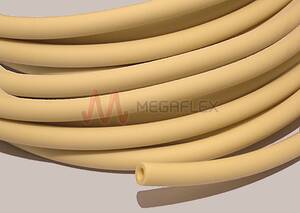
To achieve precision micro-dosing (microlitres per minute), select microbore lines like Microbore Silicone Tube

- Durometer & Shore Hardness: The ideal hardness for peristaltic pump tubing sits in a narrow band between 55° and 65° Shore A. Materials softer than 50° Shore A lack mechanical restitution and collapse under suction; materials harder than 70° Shore A require excessive motor power to compress and suffer premature flex fatigue cracking.
Step 2: Match Polymer Chemistry to Fluid Aggressiveness
No single polymer survives every fluid. Choosing the correct formulation prevents chemical degradation, swelling, and fluid contamination:
1. Silicone (Peroxide-Cured vs. Platinum-Cured):
Silicone delivers outstanding elastic memory, wide temperature resistance (-40°C to +200°C), and low roller resistance:
- Peristaltic Grade Silicone Tube

- Platinum-Cured Translucent Silicone Tube

- Unreinforced Blue Silicone Tube (60 Shore A)

2. Thermoplastic Elastomers (TPE) & Santoprene® (TPV):
Where silicone fatigues under continuous high-speed rotation, thermoplastic elastomers provide extended flexural longevity:
- Peristaltic Santoprene® Tube

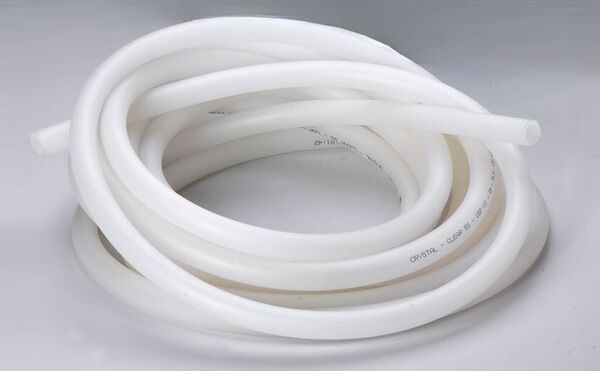
- Crystal Clear Life Peristaltic TPE Tubing


3. Fluoroelastomers: Peristaltic Grade Viton® (FKM):
When pumping aggressive organic solvents, concentrated mineral acids, aromatic fuels, or corrosive chlorine solutions, standard silicones and TPEs swell, dissolve, or blister:
- Peristaltic Grade Viton® Tube


4. Laboratory Grade PVC:
For benchtop analysis, educational laboratories, and general fluid transfer where cost efficiency and crystal clarity are prioritised:
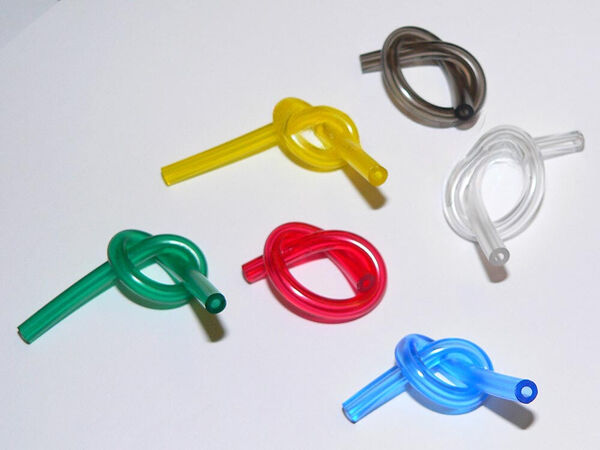
- Clear Laboratory PVC Tubing

Step 3: Assess Flexural Fatigue Life & In-Line Spallation
Tubing wear manifests in two distinct operational phenomena: mechanical fatigue failure and internal spallation:
Flexural Fatigue Life (Hours to Rupture)
Pump speed directly dictates tubing lifespan. Running a pump at 300 RPM wears out tubing roughly four times faster than operating at 75 RPM. When continuous, uninterrupted pumping is required:
- Santoprene® (GPR
- Peristaltic TPE (CLN7
- High-Strength Silicone (SILP
- Peristaltic Viton® (VITP
Minimising In-Line Spallation
Spallation occurs when roller compression shears particles off the tubing's inner surface. For ultra-sensitive downstream processes:
- Highest Spallation Risk: Standard silicone under high roller occlusion pressures.
- Ultra-Low Spallation: Advanced TPE formulations (CLN7
Step 4: Factor in Operating Temperature, Suction Lift & Working Pressure
Operating temperatures and hydraulic pressures alter elastomeric behaviour inside the pump head:
- Thermal De-Rating: Heat softens elastomers, lowering their resilience and burst threshold. While Silicone (SILP)
- Discharge Working Pressure Limits: Because peristaltic pump tubing is unreinforced to allow roller occlusion, operating pressures are naturally lower than braided hoses. Typical continuous discharge pressures range from 1.0 bar to 2.5 bar (15 to 36 psi). Operating against higher backpressures accelerates flex fatigue and can cause the tube to swell permanently downstream of the rollers.
- Suction Lift & Cavitation: Thick-walled peristaltic lines generate vacuum levels up to -0.8 bar (-80 kPa). However, if the suction line is undersized or overly long, negative pressure can cause thin-walled tubes to stay collapsed between roller passes, starving the pump and dropping output.
Step 5: Verify Hygiene, Pharmacopoeia & Food Contact Standards
Biomedical, pharmaceutical, and food-grade fluid paths must comply with strict international regulatory directives:
- USP Class VI (United States Pharmacopeia): The most rigorous medical testing standard for polymer biocompatibility. Involves in vivo biological reactivity tests (systemic toxicity, intracutaneous reactivity, and muscle implantation) to ensure zero toxic response. Compliant materials include SILP
- European Pharmacopoeia (EP 3.1.9): Regulates silicone elastomer components used in pharmaceutical production, testing for extractables, heavy metals, and volatile residues. Fully satisfied by our Platinum-Cured Silicone (SILPC)
- FDA 21 CFR 177.2600: Regulates rubber articles intended for repeated food contact (Part E for aqueous foods; Part F for fatty foods). Compliant across our SILP
- Regulation (EC) No 1935/2004 & EU 10/2011: European framework governing food contact materials, confirming that the polymer transfers no constituents that alter food taste, aroma, or safety.
- Sterilisation Compatibility: Verify your cleaning protocols. Silicone (SILP
Step 6: Select Microbore Geometries, Colour Coding & Sanitary Connectors
Finalising your peristaltic installation requires proper fluidic hardware and line management:
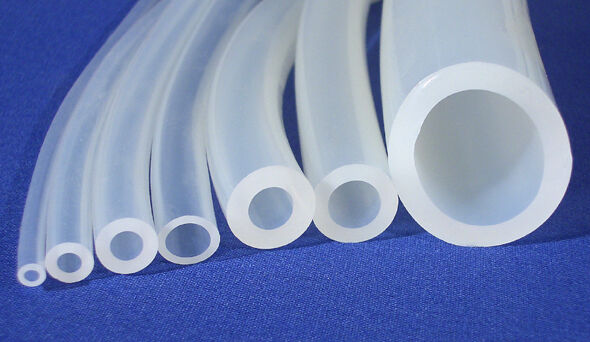
- Microbore Tubing for Analytical Chemistry: Automated laboratory analysers, chromatography, and flow cytometry require sub-millimetre bores. Megaflex supplies precision-drawn microbore tubing including Microbore Silicone
- Colour-Coded Fluid Lines: Multi-channel peristaltic cassette pumps handling parallel reagent streams benefit from optical colour identification. Our Clear Laboratory PVC Tubing
- Barbed Fluidic Connectors & Luer Locks: Peristaltic pumps require specialised barbed fittings moulded from polypropylene, PVDF (Kynar®), or 316L stainless steel. The barb must feature a smooth, seamless taper that seals against the elastomeric bore without cutting the tube wall. For sterile bioprocessing, specify mini Tri-Clamp sanitary hose adapters.
- Tube Retaining Collars: Under roller friction, tubing naturally tends to "walk" or creep forward through the pump head. Always utilise external retaining collars, stops, or tubing clamps on the inlet and outlet ports outside the pump head to keep the tube under proper mechanical tension.
Why Choosing the Right Peristaltic Tubing Matters
Specifying generic or mismatched tubing in peristaltic pump assemblies leads to immediate process failures:
- Volumetric Flow Decay: Low-restitution polymers take a permanent compression set, causing dosing volume to drop by 20% to 50% within hours.
- Premature Tube Rupture: Incorrect wall thickness or low flex-life polymers split longitudinally, spilling hazardous acids or costly active pharmaceutical ingredients into the pump gearbox.
- Downstream Spallation Contamination: Mechanical roller shedding releases millions of microscopic plastic particles into sterile cell cultures or dialysis lines.
- Motor Overload & Gearbox Damage: Using excessively hard tubing forces the pump motor to draw excessive current, stripping gear trains and causing premature motor failure.
Ready to Choose Your Peristaltic Pump Tubing?
Follow this checklist when selecting tubing for your fluidics setup:
- Verify Pump Track Dimensions: Check your pump manufacturer's manual for required wall thickness (e.g. 0.8 mm, 1.6 mm, 2.4 mm, or 3.2 mm).
- Calculate Target Flow Rate: Select the inside diameter that achieves required flow at moderate pump speeds (under 150 RPM).
- Confirm Chemical Compatibility: Check media against silicone, TPE, Santoprene®, Viton®, or PVC compatibility charts.
- Determine Cleanliness Class: Verify if your process requires cleanroom-manufactured platinum-cured silicone (EP 3.1.9 / USP Class VI).
- Specify Line Lengths & Fittings: Choose compatible fluidic barbs, luer adapters, and retaining collars.
Top Peristaltic Tubing Options by Application
To assist your engineering specifications, our peristaltic lines are categorised below by operational duty:
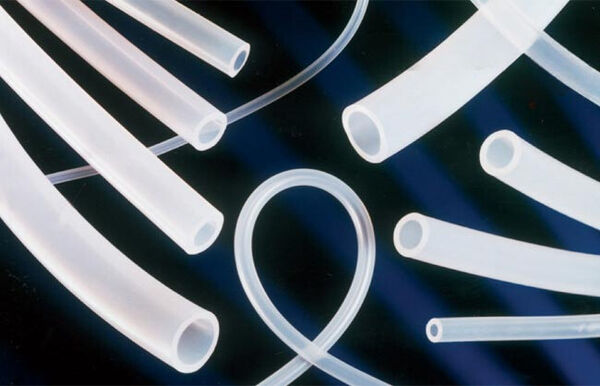
The Platinum-Cured Translucent Silicone Tube
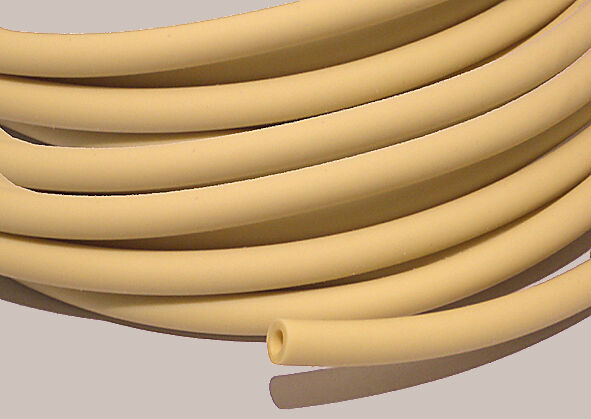
Where pumps run continuously for hundreds of hours, Peristaltic Santoprene® Tube
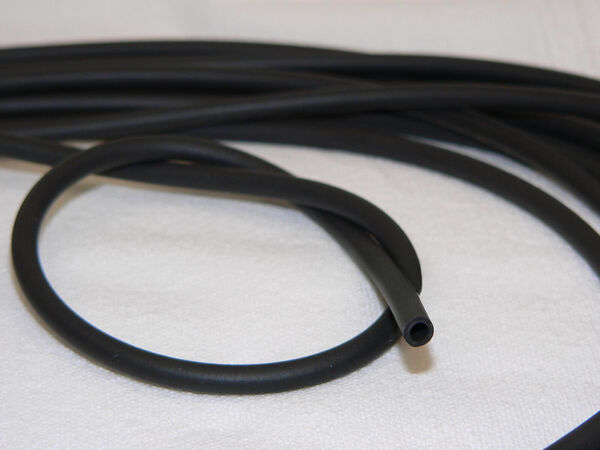
Aggressive organic solvents, aromatic fuels, and concentrated mineral acids dissolve standard polymers. The Peristaltic Grade Viton® Tube
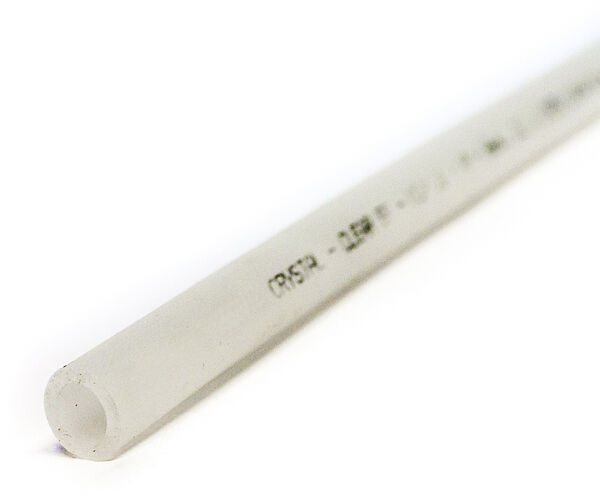
For aseptic cell culture, vaccine production, and sterile filtration, Crystal Clear Life Peristaltic TPE Tubing
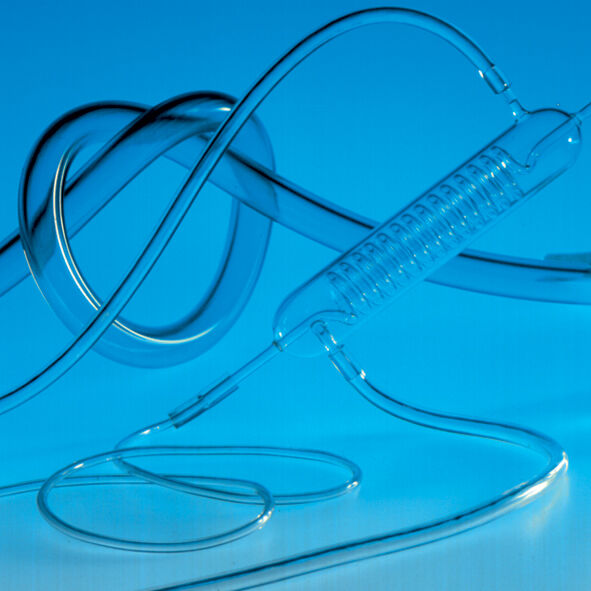
For multi-channel benchtop pumps, Clear Laboratory PVC Tubing
Peristaltic Pump Tubing Technical Specifications
The table below provides verified engineering data for our primary peristaltic pump tubing ranges:
| Product Model | Material Chemistry | Shore Hardness | Temperature Range | Regulatory Certifications | Primary Application |
|---|---|---|---|---|---|
| Platinum Silicone (SILPC) | Ultra-pure platinum-cured silicone (Cleanroom Class 10,000) | 65° Shore A | -40°C to +200°C | FDA 21 CFR 177.2600; European Pharmacopoeia (EP 3.1.9) | Biopharmaceutical filling, sterile filtration, cell culture, cosmetics |
| Peristaltic Silicone (SILP) | High-strength peroxide-cured translucent silicone elastomer | 50° Shore A | -55°C to +220°C | FDA 21 CFR 177.2600; USP Class VI biological study compliance | Laboratory dispensing, food & beverage dosing, environmental monitors |
| Peristaltic Santoprene® (GPR) | Thermoplastic vulcanisate (PP/EPDM TPV compound) | 64° Shore A | -20°C to +135°C | FDA food contact approved; non-toxic; autoclavable | High-hour industrial dosing, water treatment, warewashing detergents |
| Peristaltic Viton® (VITP) | Special soft-grade 100% genuine Viton® FKM fluoroelastomer | 60° Shore A | -20°C to +200°C | BS 2848; extreme chemical & solvent inertness | Concentrated acids, aromatic solvents, fuels, corrosive petrochemicals |
| Crystal Clear TPE (CLN7) | High-purity thermoplastic elastomer (weldable & sealable) | 55° Shore A | -20°C to +80°C | USP Class VI; USP Physicochemical Tests-plastics; ISO 10993-4 + 5; EU and FDA food contact approved; ultra-low spallation | Single-use bioprocessing, vaccine manufacturing, sterile transfer |
| Clear Laboratory PVC (CLA) | Flexible unreinforced PVC (clear & translucent colour tints) | 61° Shore A | -32°C to +60°C | EU and FDA food contact approved | Analytical benchtop pumps, optical flow sight lines, colour-coded manifolds |
| Blue Food Silicone (SILT60B) | Food-grade silicone in high-visibility blue pigment | 60° Shore A | -60°C to +180°C | FDA 21 CFR 177.2600; EC 1935/2004 | Food packaging lines, dairy dosing, optically detectable processing |
Summary Recommendation: For pharmaceutical filling and sterile cell culture, specify Platinum-Cured Silicone (SILPC) or sterile-weldable Crystal Clear TPE (CLN7). For continuous industrial operations and commercial warewashing, select Peristaltic Santoprene® (GPR) for maximum flexural longevity. For concentrated acids and aromatic fuels, strictly install Peristaltic Viton® (VITP). For benchtop analysis and colour-coded multi-channel pumps, choose Clear Laboratory PVC (CLA). Need assistance calculating rotor gap compression? Contact our engineering team at sales@megaflex.co.uk.
Final Thoughts
Peristaltic pumps provide unmatched sterility, isolation, and metering accuracy, but their reliability depends entirely on tubing specification. Squeezing an incorrect polymer into a precision rotor gap results in immediate flow drift, spallation contamination, or premature line ruptures. By precisely calibrating wall thickness, matching polymer chemistry to fluid corrosiveness, and selecting compounds with proven flexural restitution, you ensure predictable, leak-free pumping across thousands of operating hours. Megaflex supplies a comprehensive portfolio of precision-extruded peristaltic tubing, cleanroom single-use assemblies, and fluidic barbed fittings. Contact our technical team today at sales@megaflex.co.uk!
Check Out Our Other Blogs
Explore our other technical articles and practical engineering guides:
- Eolo PU Ducting: The Ultimate Solution for Food-Grade Material Transfer
- Conduits at Megaflex: Material Matters
- PolyAlu Tubing: Revolutionising Durability in Harsh Environments
- How to Calculate Bend Radius: A Comprehensive Guide
Visit our blog homepage for more practical fluid handling insights!
Peristaltic Pump Tubing FAQ
Have questions about sizing, flex life, or chemical compatibility for your peristaltic pump tubing? Click any question below to see the answer. For custom cut lengths, cleanroom packaging, or fittings advice, contact our team at sales@megaflex.co.uk!
Click a question to read the answer:
Peristaltic pump heads are precision-machined with a specific rotor gap. If the tubing wall is too thin, the rollers cannot compress it completely flat (under-occlusion), allowing fluid to slip backwards, losing suction and ruining dosing accuracy. If the wall is too thick (over-occlusion), the rollers crush the tube with excessive force, causing high motor torque, gearbox overheating, and rapid tube fatigue cracking.
Spallation is the shedding of microscopic polymer particles from the tube's inner wall caused by repeated roller friction and compression. These particles travel downstream into the pumped fluid. Spallation is minimised by running pumps at lower RPMs and specifying fatigue-resistant materials with tightly cross-linked molecular structures, such as Crystal Clear TPE (CLN7
Standard industrial Viton® tubing is too rigid (typically 70° to 75° Shore A). When squeezed by peristaltic rollers, standard Viton® requires excessive motor power, fails to recover its circular shape (lacks restitution), and cracks rapidly along the fold lines. Peristaltic grade Viton® (VITP
Peroxide-cured silicone uses organic peroxides during vulcanisation, which leave trace volatile organic acids and by-products in the rubber that can leach into sensitive pharmaceuticals or cause slight yellowing over time. Platinum-cured silicone (SILPC
Santoprene® (GPR
Tubing flex life is inversely proportional to pump speed. Running a pump at 300 RPM will cause the tubing to fatigue and split roughly four times faster than operating at 75 RPM. To maximise tubing life, engineers specify a larger bore diameter (ID) running at a lower RPM rather than a narrow tube running at high speed.
Yes, but compatibility depends on the polymer. Silicone (SILP
Peristaltic pumps run without fittings inside the pump head, eliminating leak points. Outside the head, lines connect to rigid piping using precision fluidic barbed connectors moulded from polypropylene, PVDF, or 316L stainless steel. The barb must feature a smooth, seamless taper that seals against the elastomeric bore without cutting the tube wall. Mini Tri-Clamp adapters are used for sanitary bioprocess connections.
Roller rotation naturally pushes the tubing forward in the direction of flow. If the tube is not physically restrained outside the pump head, it will creep, bunch up, and stretch, causing wall thinning and rapid rupture. Always secure peristaltic lines using tube retaining collars, stops, or clamps installed on the intake and discharge ports immediately outside the pump housing.
Flow rate decay is caused by "compression set"—the gradual loss of the tubing's elastic restitution. As the tube wall tires, it no longer springs completely back to its original internal diameter after being pinched by a roller. Because the internal volume decreases, less fluid is displaced per revolution. Using high-restitution TPEs or silicone and regular recalibration prevents volumetric dosing errors.